


Trust drives buying decisions, and video testimonials are one of the fastest ways to earn it. These services help businesses capture real customers talking about real results — proof that resonates with prospects. Below we explain what video testimonial services do, how they strengthen brand trust, and where they fit in a marketing playbook. You’ll also learn why remote testimonial platforms matter, what professional production looks like, and which metrics show whether your videos are working.
How Video Testimonial Services Work — and Why They Matter for Trust
Video testimonial services are designed to help companies record, edit, and publish customer stories on camera. Instead of scripted ads, these videos put authentic voices front and center, making your products and services feel believable and relatable. When prospects see peers describing meaningful outcomes, credibility follows — and with it, a stronger connection to your brand.
How Video Testimonials Boost Your Brand’s Credibility
Testimonials build credibility by swapping abstract claims for human stories. Seeing a real person explain how a product solved a problem creates empathy and reduces skepticism. Research shows 79% of consumers would rather watch a video than read text when learning about a product — a sign that video often converts awareness into interest. The emotional pull of a well-told testimonial can be the nudge that turns browsing into buying.
Why Authentic Customer Video Reviews Are Essential
Authenticity is the currency of trust. As audiences grow wary of polished advertising, honest customer videos provide a transparent view into real experiences. Consumers trust online reviews nearly as much as personal recommendations — 88% say they do — so showcasing unvarnished feedback helps you stand out and build loyalty in a crowded market.
Key Benefits of Remote Video Testimonial Platforms

Remote testimonial platforms remove the friction of gathering customer stories, so you can capture authentic footage from anywhere. They make it practical to scale testimonial collection without sacrificing quality or diversity.
- Convenience of Remote Capture: Customers can record from home or work on their own schedule, which increases participation and captures more natural responses.
- Cost-Effectiveness: Remote recording cuts travel and on-set expenses while still delivering usable, high-quality content.
- Wider Reach for Testimonials: You can gather voices from different regions and backgrounds, making your testimonials more representative and persuasive.
How Remote Capture Makes Collecting Testimonials Easier
Most remote platforms guide participants step by step, so even people who aren’t tech-savvy can submit polished clips. Removing scheduling and travel logistics reduces drop-off and helps you build a larger, more varied library of customer stories.
What Impact Do Remote Testimonials Have on Marketing ROI?
Remote testimonials can move the needle on conversions and long-term loyalty. Brands that weave customer videos into campaigns often see measurable lifts — studies point to a 34% increase in conversion rates when testimonials are used strategically. Over time, peer endorsements also deepen trust and repeat business.
How Professional Video Testimonial Production Gets Done
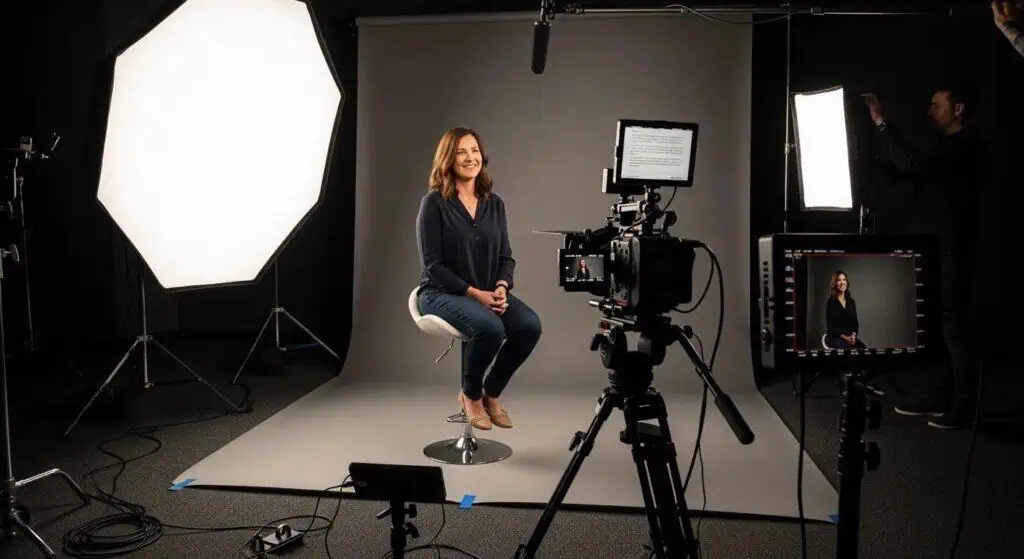
Great testimonials feel effortless but usually require intentional production: good framing, clear audio, and editing that preserves authenticity while keeping the story focused.
Best Practices for Authentic Customer Testimonial Videos
Follow these practices to create believable, effective testimonial content:
- Storytelling Techniques: Ask customers to frame their experience as a short story—what challenge they faced, what they tried, and the outcome—so the message lands emotionally and logically.
- Technical Quality Considerations: Clear audio and clean visuals matter. Invest in simple lighting and sound solutions so the message isn’t undermined by poor production.
- Guided Questions: Give contributors a few open-ended prompts to keep responses natural but on point; this makes editing easier and the final testimonial more compelling.
Which Production Services Help Make Testimonials Work?
Specialized video producers can handle scripting, filming, and editing to ensure testimonials match your brand’s look and message. Working with experienced teams speeds delivery and raises the overall quality of the content you publish.
How to Measure the Effect of Video Testimonials on Brand Trust
To judge whether testimonial videos are increasing trust, track metrics tied to engagement and conversion, and pair them with qualitative feedback.
Metrics That Show Improved Conversions and Trust
Look at these indicators:
- Conversion Rates: Measure the share of viewers who take a desired action after watching — a clear sign of persuasive impact.
- Engagement Levels: Likes, shares, comments, and watch time reveal how well a video resonates and spreads.
- Customer Feedback: Direct responses and surveys after viewing provide qualitative insight into how testimonials shape perceptions.
How Case Studies Demonstrate Trust Growth from Testimonials
Case studies make the effect tangible. Showing specific outcomes — for example, a company that saw a 50% jump in inquiries after adding testimonials — gives decision-makers concrete evidence that customer videos can deliver real returns.
Frequently Asked Questions
Which businesses benefit most from video testimonial services?
Almost any business that depends on customer trust can benefit — from startups to enterprise brands. Sectors like e-commerce, hospitality, healthcare, and tech often see strong results because authentic stories help cut through skepticism and demonstrate real value.
How do you encourage customers to record testimonials?
Make it easy and meaningful: offer small incentives, use simple recording tools, explain how their story helps others, and highlight past testimonials so contributors see the impact. Clear instructions and a relaxed approach also increase willingness to participate.
What common challenges come up when creating testimonial videos?
Typical issues include technical limitations, camera shyness, and keeping content authentic. Solve these with straightforward tech guidance, friendly coaching, and a focus on conversation over scripting — plus basic investment in sound and lighting.
Where should testimonial videos be used in marketing?
Place them where prospects decide: product pages, landing pages, social channels, email campaigns, and paid ads. You can also build themed series or case-study bundles to add context and deepen engagement across channels.
Do testimonial videos help with customer retention?
Yes. Seeing peers endorse your product reinforces customers’ choice and reminds them of the value they received. Regularly refreshing testimonials keeps current customers engaged and supports repeat purchases.
Can testimonials be used internally for employee engagement?
Absolutely. Employee testimonial videos showcase culture, celebrate growth, and strengthen recruitment messaging. They’re a powerful tool for building pride and alignment inside your organization.
Conclusion
Video testimonials turn customer experiences into persuasive social proof. When done authentically and distributed thoughtfully, they boost credibility, engagement, and conversions — and they help brands build lasting loyalty. If you want clearer proof points in your marketing, start collecting authentic video testimonials and make them a core part of your storytelling strategy. Remote Video Testimonials makes this process seamless and effective — contact us today to start building trust and driving conversions with powerful customer stories.
