


Trust is the currency of modern commerce. Testimonials—written or video—are a clear way to earn it. This article compares the two, explains video’s emotional and conversion advantages, examines cost and ROI, and highlights Remote Video Testimonials, a specialist in capturing genuine client stories remotely.
How Do Video Testimonials Improve Conversion Rates Compared to Written Reviews?
Video testimonials boost conversions by showing real people, emotions, and outcomes in ways text can’t. Video is more memorable and easier to absorb than long text, helping viewers retain key points and move past objections faster. That clarity and authenticity make video a strong tool for turning interested visitors into customers.
What Recent Statistics Reveal About Video Testimonial Conversion Impact
Recent studies show video testimonials can increase conversion rates by up to 80%. Surveys report that 97% of consumers say videos help them understand products better, and 84% say videos convinced them to buy—a strong case for adding customer videos to your marketing mix.
How Authentic Video Feedback Builds Stronger Customer Trust
Authenticity matters. When customers speak on camera in their own words, they create an emotional connection that short written quotes rarely reach. Seeing body language and hearing tone make it easier for prospects to relate and to trust your brand enough to act.
What Are the Key Benefits of Using Video Testimonials Over Text Reviews?
Video testimonials deliver on several fronts: they feel more authentic, hold attention longer, and improve information retention. They let you present a customer’s story—problem, solution, outcome—in a compact, persuasive format. Below we unpack those advantages and why many companies prioritize video.
How Video Testimonials Enhance Sales Through Emotional Storytelling

Emotional storytelling is where video shines. A short clip that follows a customer from problem to solution helps viewers imagine their own success with your product or service. That clear, relatable narrative nudges prospects toward a purchase more effectively than a standalone feature list or block text.
Why Customers Trust Video Testimonials More Than Written Reviews
Video adds visual and auditory cues that make endorsements feel real: facial expressions, voice inflection, pauses, and small gestures all signal sincerity. Those cues matter—studies show consumers are 64% more likely to make a purchase after watching a video testimonial than after reading a written review.
How Does the Cost and ROI of Video Testimonials Compare to Written Reviews?
Video often requires a larger upfront investment than written reviews, but the conversion lift can make the ROI attractive. When assessing cost, consider production quality, distribution, and the lifetime value of conversions generated by those videos. Below we break down typical costs and measurement approaches.
What Are the Typical Costs of Remote Video Testimonial Services?
Remote video testimonial pricing varies with production level and length. Typically, businesses invest between $500 to $3,000 for a professionally produced testimonial including scripting, remote filming support, and editing. Written reviews are cheaper to collect but usually don’t deliver the same engagement or conversion lift as a polished video.
How to Measure ROI from Video Testimonials Versus Text Reviews
Measure ROI by tracking conversion rates, engagement metrics, and downstream revenue. Useful KPIs include click-through rates, lead generation, view-to-conversion ratios, and sales influenced by testimonial placements. Comparing these metrics for video versus text shows which format drives more value.
How Do Remote Video Testimonial Services Work to Maximize Conversion?
Remote services simplify capturing customer stories without on-site crews. They scale outreach, reduce travel, and make it easy to collect testimonials from customers across locations. When done well, remote-produced videos can look and feel as authentic and persuasive as in-person shoots.
What Are Best Practices for Producing Authentic Remote Video Testimonials?
To keep remote testimonials genuine, prioritize clear audio and clean visuals, ask open-ended questions, and let customers speak naturally instead of reading a script. Capture short anecdotes, show context (like how they use the product), and encourage a relaxed setting so the story feels real. These practices improve relatability and trust.
How Structured Data and Video Production Enhance Testimonial Effectiveness
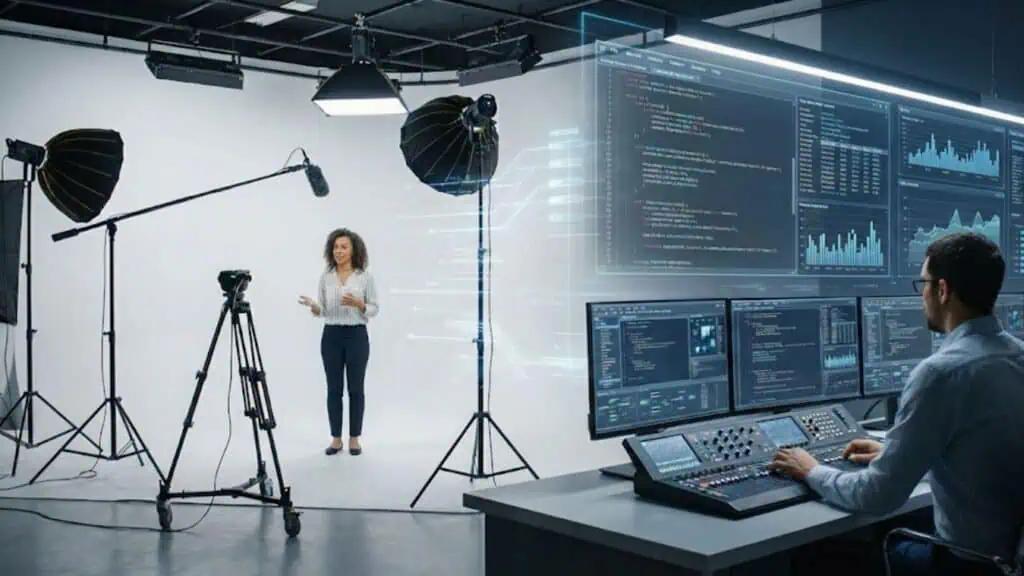
Adding structured data and SEO-friendly metadata to your videos helps search engines understand and surface testimonial content. Combined with tight production—clear visuals, good sound, and concise storytelling—this optimization increases discoverability, traffic, and the chance that your testimonials will convert new customers.
Frequently Asked Questions
1. Can video testimonials be used effectively on social media platforms?
Absolutely. Short, attention-grabbing testimonial clips work great on Instagram, Facebook, TikTok, and LinkedIn. Social platforms favor video, and bite-sized customer stories are easy to share—increasing reach and engagement while building credibility.
2. How can businesses encourage customers to provide video testimonials?
Make participation simple and meaningful: offer small incentives like discounts or sweepstakes entry, provide clear prompts and examples, and follow up at natural touchpoints (after a successful purchase or service call). Sharing how their story helps others can also motivate customers to contribute.
3. What equipment is necessary for creating high-quality video testimonials?
You don’t need a studio. A good smartphone or a decent camera, a tripod for steady framing, soft lighting or good natural light, and a reliable microphone are the essentials. Clear audio and steady visuals go a long way toward making a testimonial feel credible.
4. How long should video testimonials be for maximum impact?
Aim for 30 seconds to 2 minutes. That window lets you tell a focused story without losing attention. Shorter clips work best for social, while slightly longer versions can be used on landing pages or in presentations.
5. Are there specific industries that benefit more from video testimonials?
Video helps across industries, but some sectors see especially strong returns—e-commerce, healthcare, and real estate among them. When purchases are personal or trust is central, seeing and hearing a real customer often makes the difference.
6. How can businesses ensure the authenticity of video testimonials?
Encourage unscripted answers, use open questions, film customers in natural settings, and avoid overproducing every clip. Transparency about how the video will be used and obtaining clear consent also supports authenticity and trust.
7. What role does editing play in the effectiveness of video testimonials?
Editing shapes clarity and pace—it removes dead space, tightens the message, and improves audio/visual quality. But avoid heavy-handed edits that change meaning or make a testimony feel staged. The best edits preserve the customer’s voice while keeping the story compelling.
Conclusion
Video testimonials are a proven way to deepen trust and lift conversions by putting real customers at the center of your story. Their emotional resonance and shareability often outperform written reviews—especially when you invest in thoughtful production and smart distribution. If you want to showcase genuine customer success at scale, our remote video testimonial services can help you capture stories that convert. Contact us today to partner with Remote Video Testimonials and start turning authentic customer stories into powerful marketing assets.
